Ruckus Networks
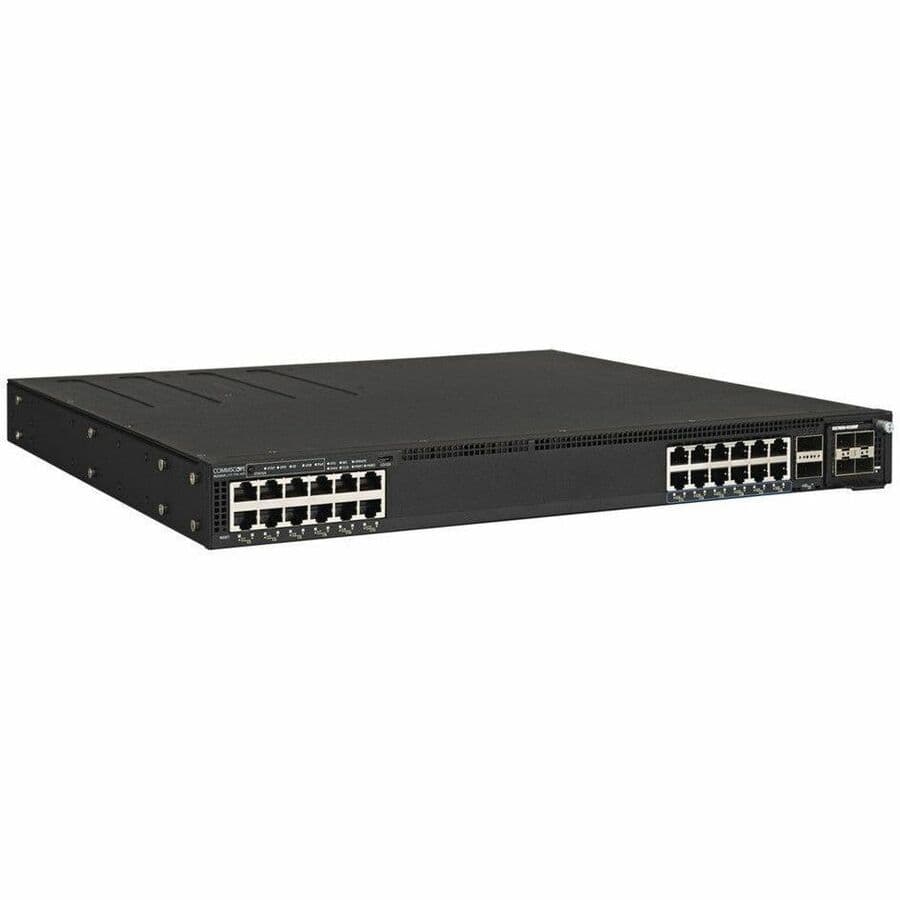
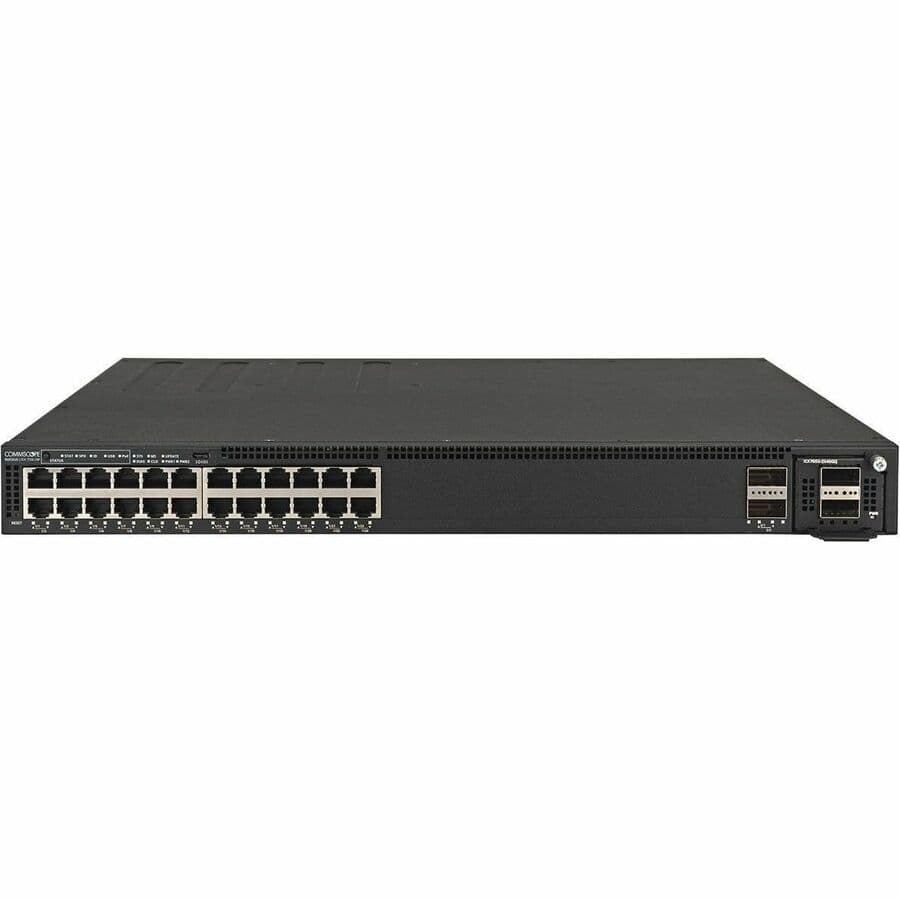
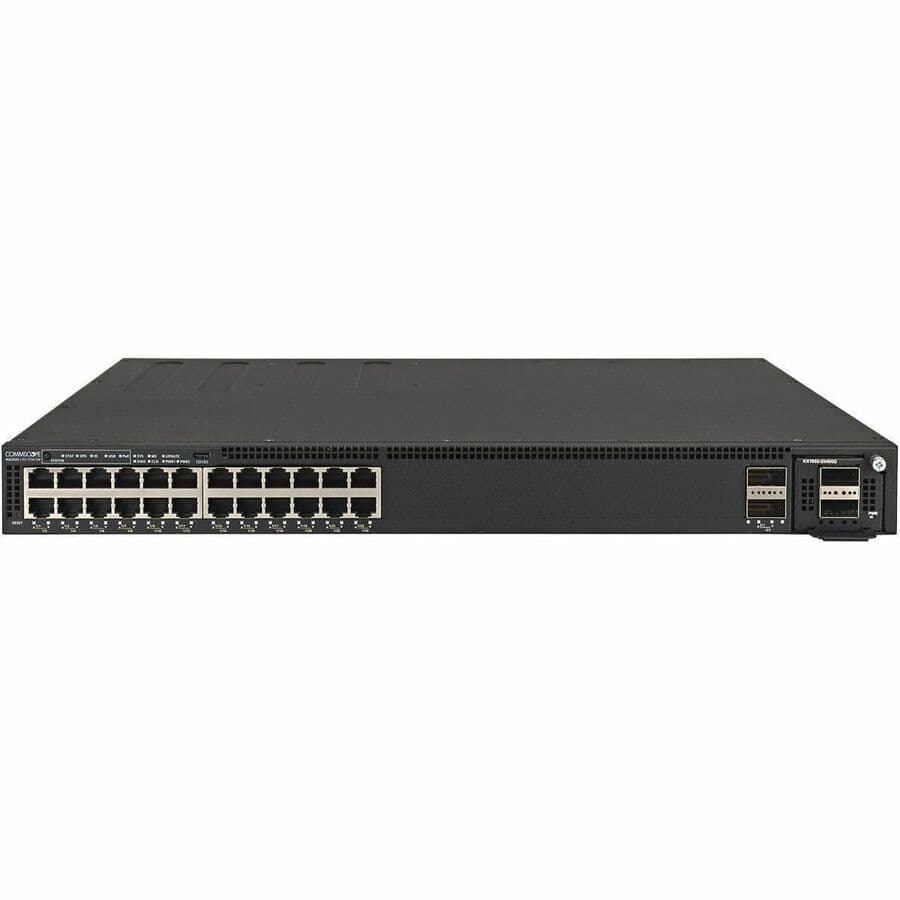
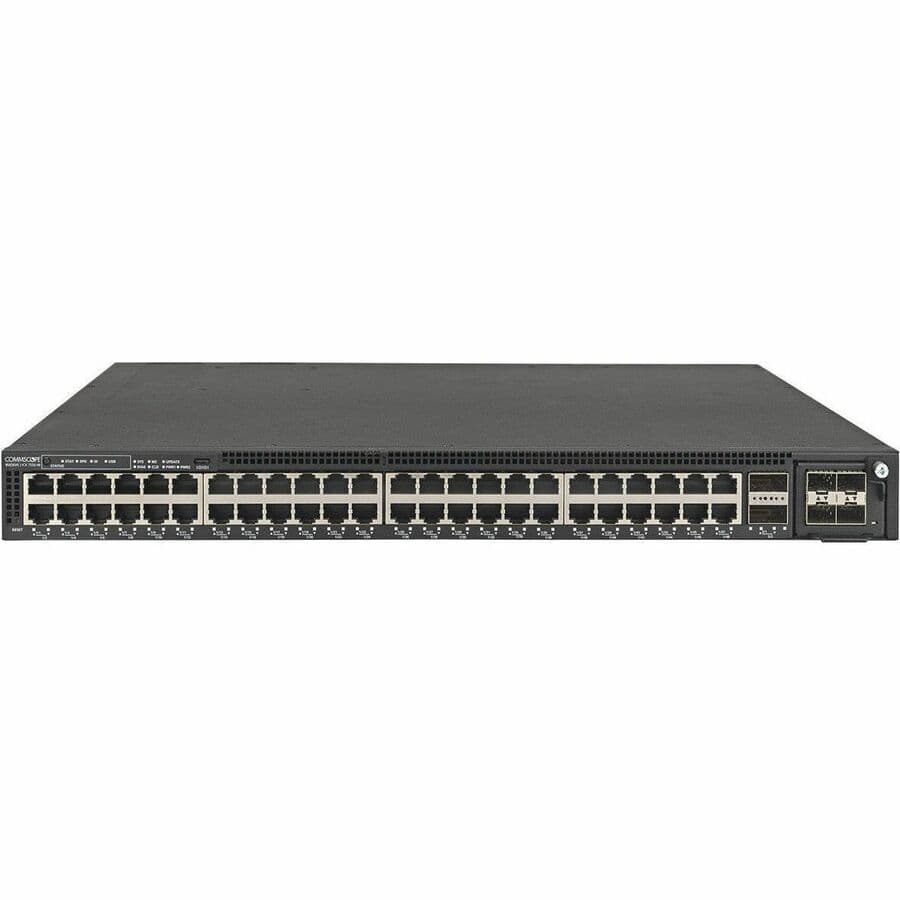
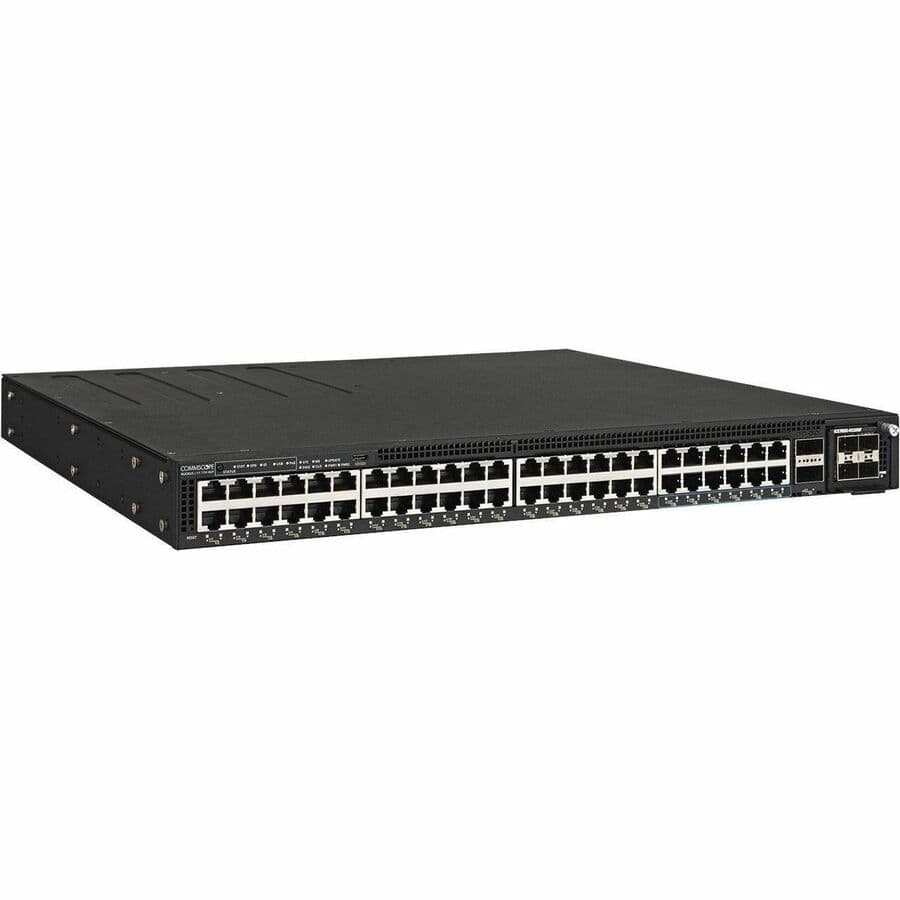
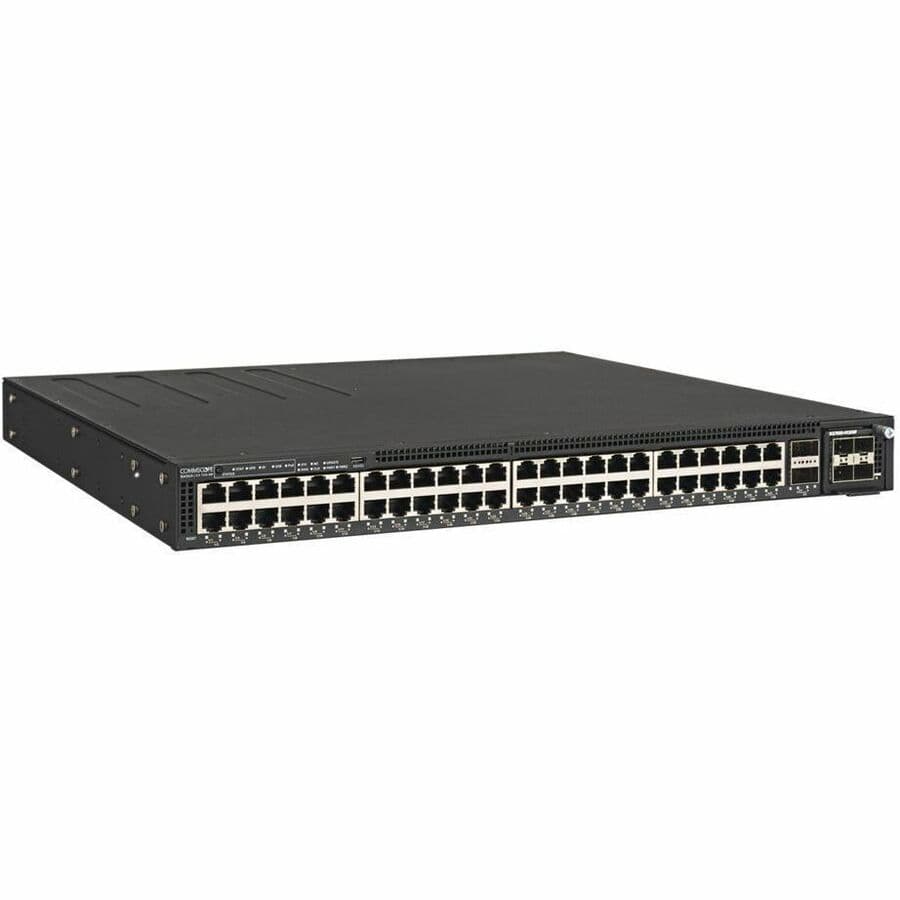
ICX8200-24ZP-R5 - RUCKUS ICX 8200 SWITCH, 24 100/1000/2500 MBPS POE++ PORTS, 4 2
Out of Stock
Ruckus ICX 8200-24ZP-R5 24-Port PoE++ Switch | 25G SFP28, Enterprise
Ruckus Networks
MPN: ICX8200-24ZP-R5
$5,527.56$9,663.55
Free shipping on orders over $500
Authorized Dealer — Full manufacturer warranty
Key Features
- 24 x 100/1000/2500 Mbps PoE++ access ports
- 4 x 25G SFP28 uplink ports
- Multigig Ethernet access switching
- PoE++ power delivery for edge devices
- Fixed access switch form factor
- Ruckus ICX 8200 series platform
- Model ICX8200-24ZP-R5
- Support high-density edge devices with 24 100/1000/2500 Mbps PoE++ ports
Keep high-density access networks moving with the Ruckus ICX 8200-24ZP-R5. This switch combines 24 100/1000/2500 Mbps PoE++ ports with 4 25G SFP28 uplinks, giving infrastructure teams the port density and uplink headroom needed for modern wireless, voice, video, and IoT endpoints.
The multigig access layer matters when Wi-Fi 6 and power-hungry devices are part of the design. PoE++ support reduces the need for separate power injectors and simplifies edge deployments where access points, cameras, and other powered devices must stay online. The 25G uplinks help prevent aggregation bottlenecks as traffic shifts toward the network edge.
For organizations standardizing on a resilient campus switching platform, this model fits where access performance and power delivery both matter. It is a strong choice for environments that need more than basic gigabit switching, but do not want to overbuy into a larger chassis or core-class platform.
Ideal For
- Campus access layer for Wi-Fi access points and powered endpoints
- Network edge for classrooms, offices, and shared workspaces
- Aggregation point for cameras, phones, and IoT devices
- Upgrade path for multigig access without replacing the switching core
Why This Product
- 1More uplink headroom than standard gigabit access switches
- 2Higher endpoint power support with PoE++
- 3Multigig ports better fit Wi-Fi 6 access points
- 4Fixed switch design avoids chassis complexity